Layoff periods of up to five months gave me the opportunity to educate myself in and around the dance world. What I learned is invaluable. No matter where we stand in our careers there will always be a student inside of us striving to learn as we did in school. Although we thrive as professionals today, the focus is in a different place. I would like to share a few benefits to stepping back into student life.
No matter where we stand in our careers there will always be a student inside of us striving to learn as we did in school.
As a student, I was enthralled by the idea of company life. It was the ultimate goal to one day join a major company and dance the roles my idols did. I remember clearly when members of Boston Ballet would attend school classes with us. Taking class beside a professional was a reminder of why we wanted to dance while putting things in perspective. It was an exciting chance, at such a young age, to watch firsthand their interpretation of a step. Yes, we would attend all of their performances, but it did not compare to being next to them in class. In fact, it was the only way for us to have a glimpse into what company life would be like if we were to ever move into the professional world.
Personally, being surrounded by professionals as a student taught me that the professional dance world was small. Each dancer in the company at the time was unique and could dance everything. If I wanted a chance at being part of it I needed to stand out. This shifted my personal training goals.
Today, stepping back into student class places a professional dancer in a foreign environment. Elements of student life which we used to be accustomed to feel very different. Not only is there a different approach to class, there is another level of freedom. One component that has not changed, however, is our goal of the learning aspect of class. My ballet teacher of nearly 21 years, Frances Cavicchio Kotelly, always teaches her students that there is no end to learning. Whether you are a student or professional, it does not make sense to stop learning when the art continues to evolve.
Whether you are a student or professional, it does not make sense to stop learning when the art continues to evolve.
In 2010, while dancing with Alabama Ballet, I attended the two-week August program at Central Pennsylvania Youth Ballet. This would be my third summer dancing with CPYB, but my first as a professional dancer. There was one other professional attending the program from New York City Ballet. My instructor was Darla Hoover–I didn’t know it at the time, but I would work with her closely in my later years with Alabama Ballet.
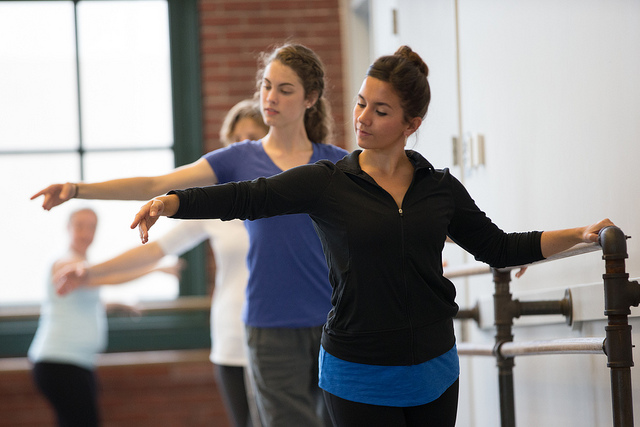
I was placed in CPYB’s top level for ages 14-17. To begin with, the age difference between us was dramatic. These ladies were polishing details and preparing to audition for major companies in the coming years. The first thing I realized was how hard it was to be in class with this age group. This was due to the fact that they were going through probably the most intense and important layer of training which included multiple technique classes a day.
It was an eye-opener because I saw what I had been neglecting over the last couple years as a professional. Attending this program and forcing myself to dress in pink tights and a black leotard showed me how to shape my dancing in a different way. In order to fix the big picture, you must fix the small details. It can be extremely difficult to balance a life of rehearsals and the upkeep of technique. Sometimes something has to give during the season and it is commonly our technique. My experience at CPYB taught me to allow myself to be a student again, especially during the layoff season.
My advice to new professionals would be to find time to step into student class even for just a few hours. This is a time when you can focus on your class rather than working to prepare your body for rehearsals.
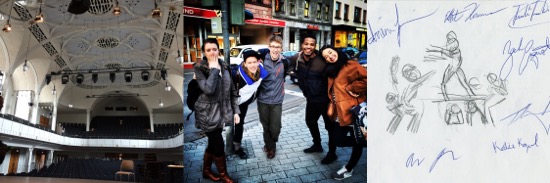
Samantha’s 2008 Honorable-Mention-Winning National Foundation for the Advancement of the Arts Entry
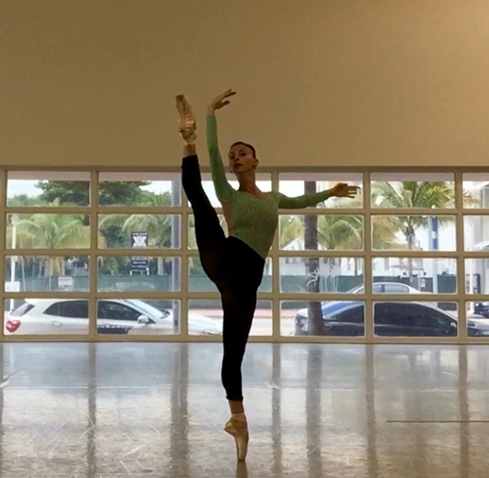
Earlier this summer, I attended Miami City Ballet school classes. It was an intriguing experience to stand back and watch the next generation of students work. As they approach the end of their school year, they prepare for career-changing performances and demonstrations. The possible opportunity to receive an apprenticeship with the main company is at the forefront. Usually, there are only a few company spots available so it can be a high-stress period.
As I observe them, I wish they knew what I know now. I see their eagerness to move on, but I also understand the importance of time and how it can benefit them in the future. Students hope to race through school and move into professional life, but it is so important to stay present in the moment. I have witnessed professionals who could have benefited from an additional year in school and eventually it catches up with them. Learning to maximize time can be the key to greater personal success in the future.
Students hope to race through school and move into professional life, but it is so important to stay present in the moment.
Students have asked me for advice and I share anything I can to help them feel confident when approaching this challenging time in their lives. I was fortunate to have my parents close by when I was transitioning out of school and that truly helped me stay positive. Many students, at this point, have moved away from home so they are no longer living with their families. This makes it difficult because that security blanket is no longer there.
My parents would always tell me to learn as much as you can about dance and trust yourself. This career, whether it be student life or professional life, relies solely on trusting yourself. When you trust yourself, you trust the dancing you present and you stay confident. There is always a place for you whether it be in a small or a large company. It will be the right fit and you will thrive in that environment. This is the best advice I can pass on. When you see another dancer getting a spot in the company of your dreams it does not mean that your dream is over. It might mean you are taking a different path and, in the end, it could turn out to be more beneficial.
When you see another dancer getting a spot in the company of your dreams it does not mean that your dream is over.
No matter how successful a dancer is, nothing is beneath you, especially the idea of stepping back into student life and remembering we were all students at one point.

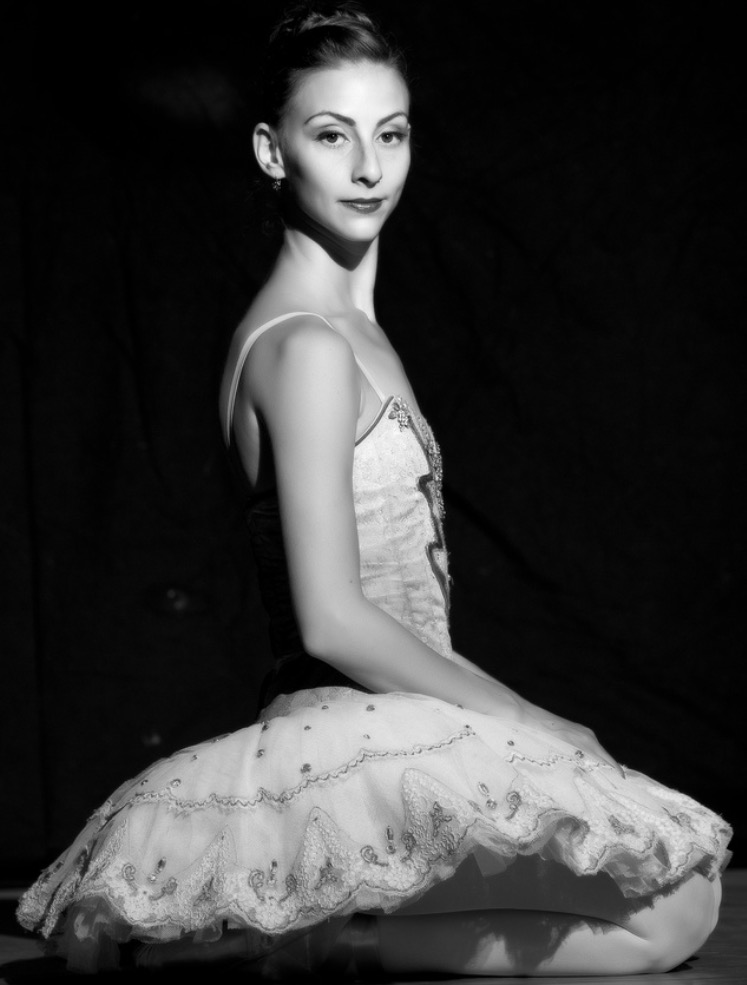
Contributor Samantha Hope Galler, a Bedford, Mass. native, spent 13 years training with The Ballet Academy, Inc., under the direction of Frances Kotelly in the Cecchetti Method. She performed six seasons with The Northeast Youth Ballet under the direction of Denise Cecere. She continued training, on scholarship, with Boston Ballet School and received the PAO Merit Trainee Scholarship. She received the NFAA Honorable Mention Award in Ballet. Galler spent summers training at Boston Ballet, Central Pennsylvania Youth Ballet and Boston Conservatory. She danced with Cincinnati Ballet in their 2008-2009 season under the direction of Victoria Morgan.
Samantha spent five seasons with Alabama Ballet under the direction of Tracey Alvey and Roger Van Fleteren. During her tenure there, she was promoted to principal dancer. She had the honor of performing some of her dream roles including Juliet in Romeo and Juliet, Odette/Odile in Swan Lake, The Lilac Fairy in The Sleeping Beauty, The Sylph and Effie in La Sylphide, Myrtha and Moyna in Giselle, Dryad Queen and Mercedes in Don Quixote, the Rancher’s Daughter in Agnes De Mille’s Rodeo. Her Balanchine roles included Dark Angel in Serenade; The Sugarplum Fairy, Arabian and Lead Marzipan in George Balanchine’s The Nutcracker™; and the principal roles in Allegro Brillante and Tarantella. She has also performed in Jiří Kylian’s Sechs Tanze, and Van Fleteren’s Shostakovich and Romancing Rachmaninov, both world premieres.
Samantha joined Miami City Ballet as a member of the corps de ballet in 2014. Since joining Miami City Ballet, Samantha has performed in various roles including as the Sugar Plum Fairy in Balanchine’s The Nutcracker and as the Harp Soloist in Balanchine’s Raymonda Variations.


 Grier Cooper left home at fourteen to study at the School of American Ballet and has performed San Francisco Ballet, Miami City Ballet, and others, totaling more than thirty years of experience as a dancer, teacher and performer. She blogs about dance and has interviewed and photographed a diverse collection dancers and performers including Clive Owen, Nicole Kidman, Glen Allen Sims and Jessica Sutta. She is the author of the