


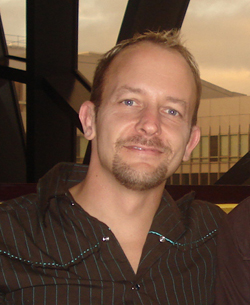
 Tell me a little bit about you…your name, location and what you do.
Cory Gabel, composer and music producer living in greater Hartford, CT.
1. How did you wind up composing music for dance groups?
It was a conscious decision to collaborate with dancers and choreographers. Over the last several years, I had been doing mostly film and commercial composing, and was missing the live, performance element to my music. For years, I was the lead singer and guitarist for an alternative rock band, and always enjoyed the energy of the “show”. Now, having moved more into to composing versus live performance myself, it was a great way to craft music that would ultimately be “performed” – just not by me!
2. How is composing music for dance different than composing it for other things?
In film, music comes last – very last. The challenge is to identify the emotional tone the director is going for, and the match that, and the timing of film. It’s very intricate and exacting, but can also be fun. Also, as we all know, the best film scores are the ones you rarely notice.
Music for dance could not be more opposite: it’s the foundation, and the dance is built upon it. It’s meant to be a focal point, and in most cases, and equal player in the overall scheme of things.
3. Can you share a few examples of dance groups that you have composed for?
Gregory Hancock Dance Theatre, Huckabee/McAllister Dance, Exhale Dance Tribe, Ridgefield Conservatory of Music, Hartford Conservatory… (other projects/commissions to be announced very soon!)
4. What is the composing process like when you create something for dance?
Once an artistic director/choreographer and I agree to collaborate, we normally talk concept. The concept usually comes from an idea or theme that they’ve wanted to explore, but could never find the right music for! So – we talk that through, and they give me any musical ideas they were thinking – if they had any. Normally, I then spend some time with the concept and I do a music search – it’s part of my process. I find snips and pieces of all kinds of music that I think will inspire me, and put me in the “place” of where I’ll write from. I normally share that playlist with the AD, so they can see the ballpark I plan on playing in, it’s kind of a gut check moment.
If all is well – I proceed, and start to write and produce demos of the music, sharing along the way with the AD.
5. What instruments do you use for dance compositions?
All – depends on the piece. Most dance companies don’t have budgets for big live ensembles – so the majority of what I’ve done has been to write, and then produce a finished recording that they can play back at the performance. I have access to record solo instruments, up to full orchestras – and have done all for past projects.
6. What do you like best about composing for dance?
The collaboration. Crafting a project with another intensely creative person, and knowing that it is also going to be performed. Too many people in music (bands, soloists) etc – write and practice forever, and never get to enjoy getting it out there. (I know, because long ago I did this too!) When I team with an established, regularly performing dance or ballet company – I know that our work will be seen by and audience. It’s exciting.
7. What does it feel like to see people dance to your music?
Truly – that’s the best part – the day of tech, or the dress rehearsal. To see all of these talented dancers, lighting designers, choreographers – and to know that they’ve been working their craft and their passion, with my music as the soundtrack – is humbling and tremendously gratifying. I’m very sappy that way, I’ve yet to make it through a dress rehearsal without crying…
8. How would you describe your music?
How’s this: theatrical alternative! I love using simple acoustic instruments, full orchestra, rock guitars, female voices – and lots, and lots of percussion. So, things tend to get a very bipolar vibe – moments of very stark intimacy, acoustic, melancholy, light. Then – we go huge – big drums, driving rhythm, full orchestra is warranted. The music for The Casket Girls best shows this – it was the full palette of what I’m all about…
9. How long does it take to compose music for dance groups?
Depends on length. A single 4-5 minute piece, could take a few weeks. The Casket Girls (a one act ballet, 30 minutes) took about 4 months, start to finish.
10. Who are some of your favorite composers?
I have to add “and bands/performers” to that – because I probably listen more to that style of music more. Danny Elfman, James Newton Howard, Beethoven…but then, U2, Nine Inch Nails, Damien Rice, Fiona Apple, Snow Patrol, Radiohead, Tori…
Anything else you’d like to share?
I’m always seeking new collaborations/commissions – and I understand the financial constraints most non-profit organizations have to deal with. But if there’s a creative desire to work together – there’s always a way to get it done!
